Instagram Marketing Strategies for Small Businesses: The Complete 2026 Guide
Instagram has become one of the most powerful platforms for small businesses to build brand awareness, connect with customers, and drive sales without needing a massive advertising budget. With over 2 billion monthly active users, the platform offers small business owners a direct line to their target audience.
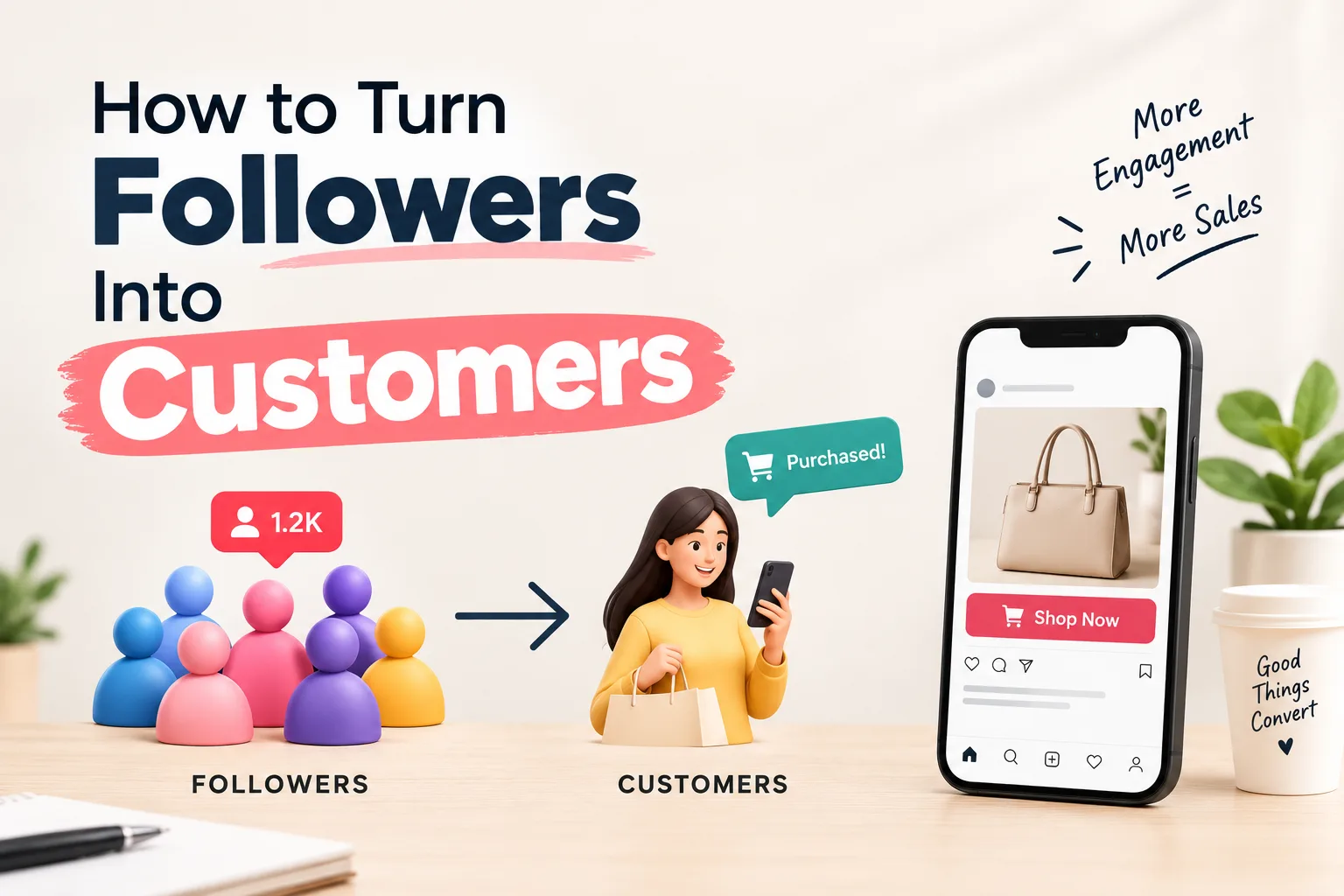
If you’re wondering how to make Instagram work for your brand, this guide breaks down the most effective Instagram marketing strategies for small businesses, from optimizing your profile to running data-driven campaigns that convert followers into paying customers.
Why Instagram Marketing Matters for Small Businesses
Small businesses often can’t compete with large brands on advertising spend, but Instagram levels the playing field. It rewards creativity, consistency, and authenticity over budget size. A well-run Instagram presence helps small businesses:
- Build trust through visual storytelling
- Reach local and niche audiences through hashtags and geotags
- Drive website traffic and sales via Shopping features
- Humanize the brand through behind-the-scenes content
- Generate word-of-mouth through shares and user-generated content
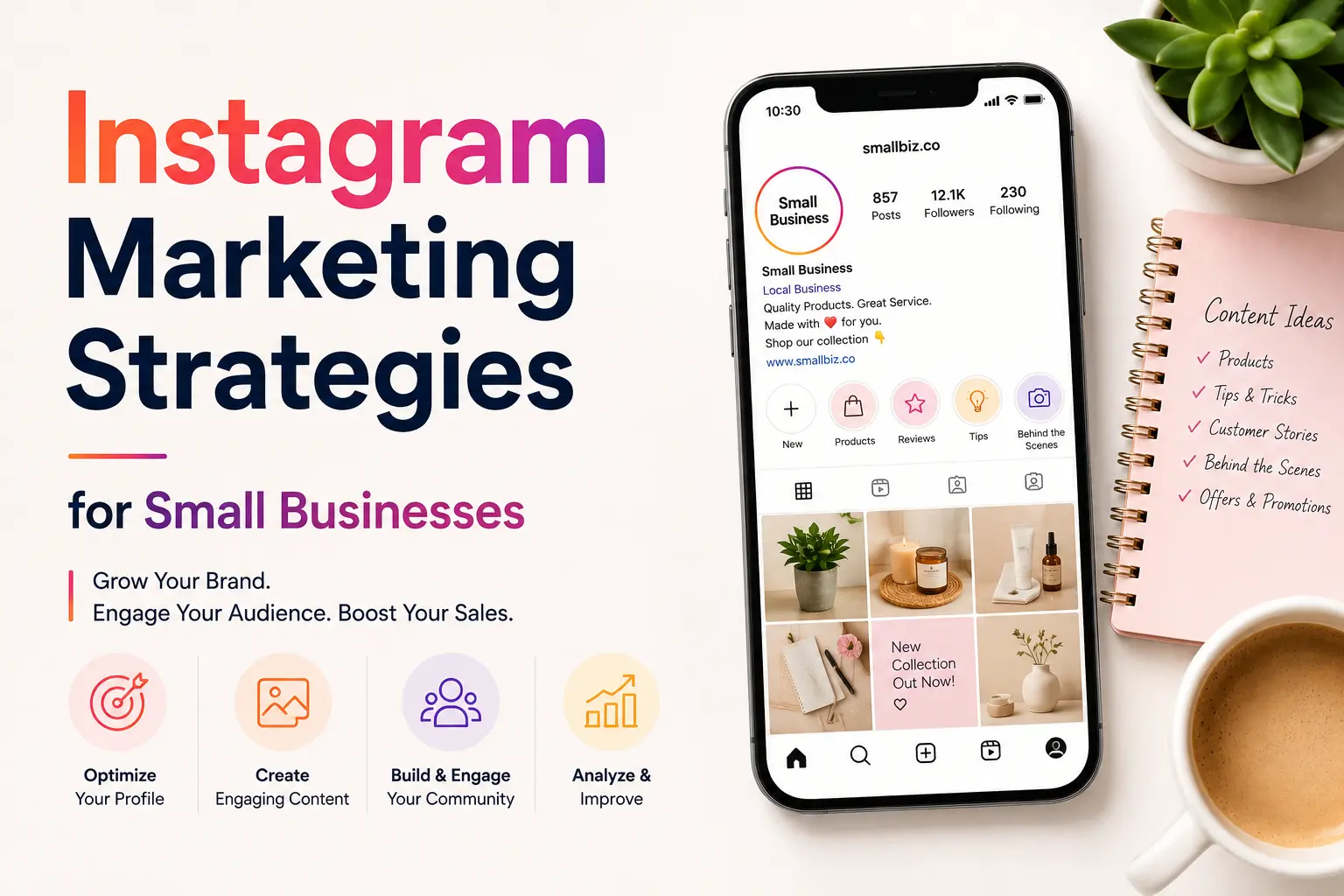
1. Optimize Your Instagram Business Profile
Your profile is your digital storefront. Before posting content, make sure it’s fully optimized:
- Switch to a Business or Creator account to unlock analytics, contact buttons, and ad tools
- Use a clear, recognizable profile picture (usually your logo)
- Write a keyword-rich bio that clearly states what you offer and who you serve
- Add a call-to-action link using tools like Linktree or Instagram’s native link sticker
- Include contact options (email, phone, or directions button)
2. Define Your Target Audience and Content Pillars
Before creating content, identify 3–5 core content pillars that align with your audience’s interests and your brand’s expertise. For example, a small bakery might post around: product showcases, behind-the-scenes baking, customer testimonials, promotions, and local community involvement.
This keeps your content strategy focused and helps the algorithm understand what your account is about.
3. Post Consistently Using a Content Calendar
Consistency signals reliability to both your audience and Instagram’s algorithm. Most small businesses see the best results posting:
- 3–5 feed posts per week
- Daily or near-daily Stories
- 2–4 Reels per week (Reels currently get the highest organic reach)
Use a content calendar to plan posts in advance and maintain a steady publishing rhythm without last-minute scrambling.
4. Prioritize Reels for Maximum Reach
Instagram continues to prioritize Reels in its algorithm, making them the most effective format for reaching new audiences. Small businesses should focus on:
- Short, trend-relevant videos (15–30 seconds)
- Educational or “how-to” content related to your product
- Behind-the-scenes clips showing your process
- Trending audio paired with original visuals
5. Use Hashtags and Location Tags Strategically
Hashtags and geotags help small businesses get discovered by people who aren’t already following them. Best practices include:
- Mix broad, niche, and local hashtags (aim for 8–15 relevant tags)
- Always geotag your business location for local discovery
- Create a branded hashtag to encourage user-generated content
6. Leverage Instagram Stories and Highlights
Stories are ideal for daily engagement polls, Q&As, countdowns, and quick promotions. Save your best Stories into Highlights organized by category (e.g., Products, Reviews, FAQs, Behind the Scenes) so new visitors can quickly learn about your business.
7. Collaborate with Micro-Influencers
Small businesses don’t need celebrity influencers to see results. Partnering with micro-influencers (1,000–50,000 followers) in your niche or local area often delivers higher engagement rates and more authentic recommendations at a fraction of the cost.
8. Turn Your Profile into a Storefront with Instagram Shopping
If you sell products, set up Instagram Shopping to tag items directly in posts and Reels. This shortens the path from discovery to purchase, letting customers buy without leaving the app.
9. Engage Authentically with Your Community
Algorithm performance aside, engagement builds loyalty. Make it a habit to:
- Reply to every comment and DM promptly
- Engage with followers’ content, not just your own
- Repost user-generated content (with permission)
- Run polls and ask questions to spark conversation
10. Run Targeted Instagram Ads on a Small Budget
Even a modest budget ($5–$20/day) can be effective when ads are targeted correctly. Focus on:
- Boosting your best-performing organic posts
- Targeting local audiences by location, interests, and demographics
- Running retargeting ads to website visitors who didn’t convert
11. Track Performance with Instagram Insights
Regularly review your Instagram Insights to understand what’s working. Key metrics to monitor:
- Reach and impressions
- Engagement rate (likes, comments, shares, saves)
- Follower growth rate
- Website clicks and profile visits
- Best-performing content types and posting times
Use these insights to refine your content strategy every month.
Final Thoughts
Successful Instagram marketing for small businesses isn’t about posting more it’s about posting smarter. By optimizing your profile, focusing on Reels, engaging authentically, and using data to guide your decisions, you can build a loyal audience and turn Instagram into a genuine growth channel for your business.