How to Choose the Right Social Media Platform for Your Business
Picking the right social media platform for your business is one of the most important marketing decisions you’ll make. Spread your efforts across too many channels, and you’ll burn out your team without moving the needle. Pick the wrong one entirely, and even your best content will reach the wrong audience.
This guide breaks down exactly how to choose the right social media platform for your business, using audience data, platform strengths, and content format to guide your decision.
Why Platform Selection Matters More Than Posting Frequency
Many businesses assume that being present everywher Facebook, Instagram, TikTok, LinkedIn, X, Pinteres is the safest strategy. In reality, spreading resources thin usually produces mediocre results on every platform instead of strong results on one or two.
Choosing the right social media platform for your business means matching your audience, content strengths, and business goals to the platform where they naturally overlap. A well-chosen platform gets you:
- Higher engagement rates from a warmer, more relevant audience
- Lower cost per lead or cost per acquisition
- Content that performs better because it’s built for that platform’s format
- Faster, more focused growth instead of fragmented effort
Step 1: Define Who You’re Trying to Reach
Before evaluating any platform, get specific about your target audience:
- Age range – Younger audiences skew toward TikTok and Instagram; older, more established professionals skew toward Facebook and LinkedIn.
- Purchase behavior – Are they researching a big B2B decision, or making an impulse B2C purchase?
- Content preferences – Do they prefer quick video, long-form articles, visual inspiration, or professional discussion?
- Where they already spend time online – Survey existing customers or check website referral data to see which platforms already send you traffic.
Step 2: Match Platform Strengths to Your Business Type
Each major platform has a distinct personality and audience. Here’s how to think about the most common ones.
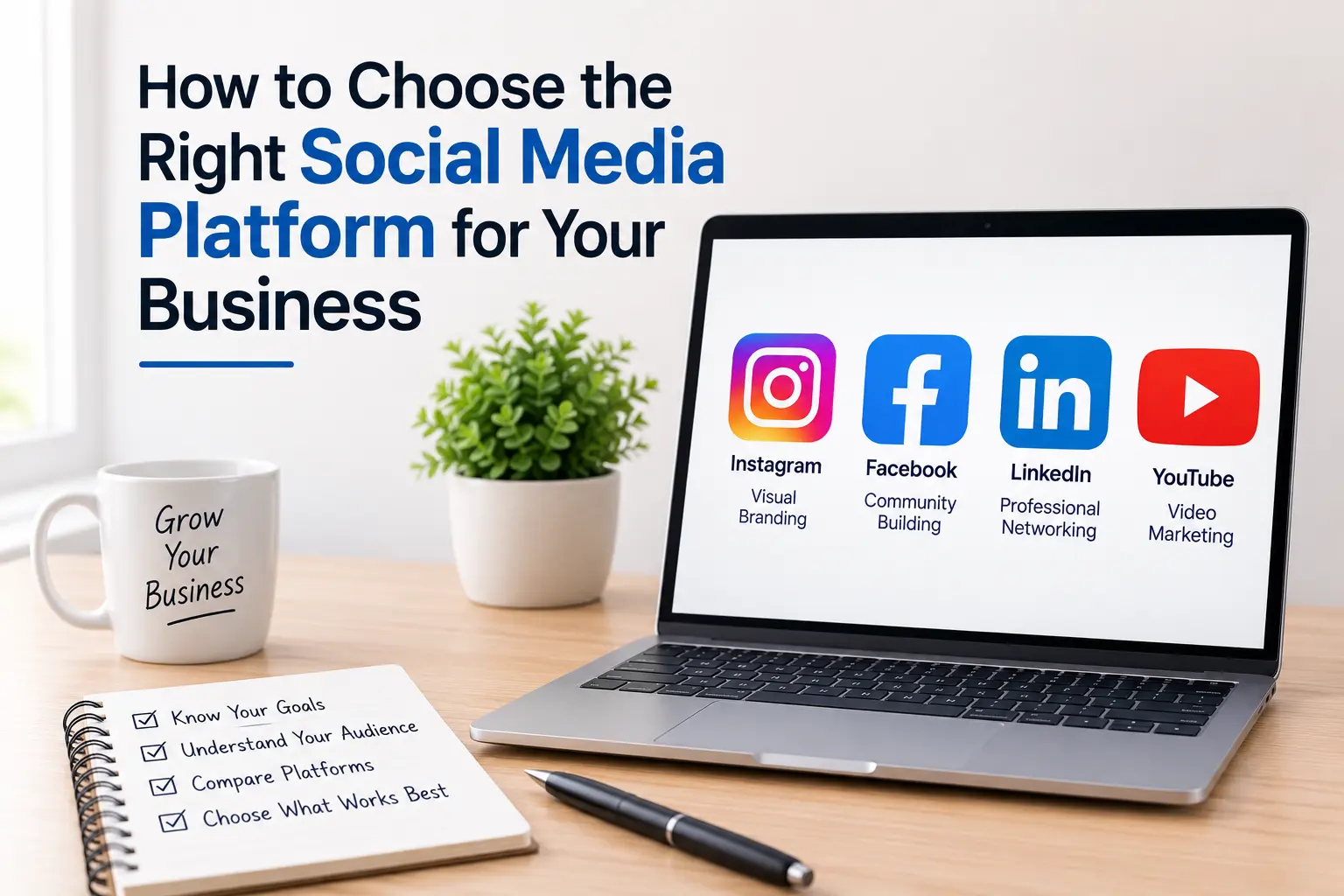
Facebook-Best for Broad Local and Community Reach
Facebook still has one of the largest and most diverse user bases, making it strong for local businesses, service providers, and community-driven brands. Its groups, events, and marketplace features are especially useful for building local trust.
Choose Facebook if: You run a local business, sell to a broad demographic, or want to build community through groups and events.
Instagram-Best for Visual and Lifestyle Brands
Instagram thrives on strong visual photos, Reels, and Stories. It’s ideal for brands where product appearance, aesthetics, or lifestyle association drives buying decisions.
Choose Instagram if: You sell fashion, food, beauty, travel, fitness, or any visually appealing product or service.
LinkedIn-Best for B2B and Professional Services
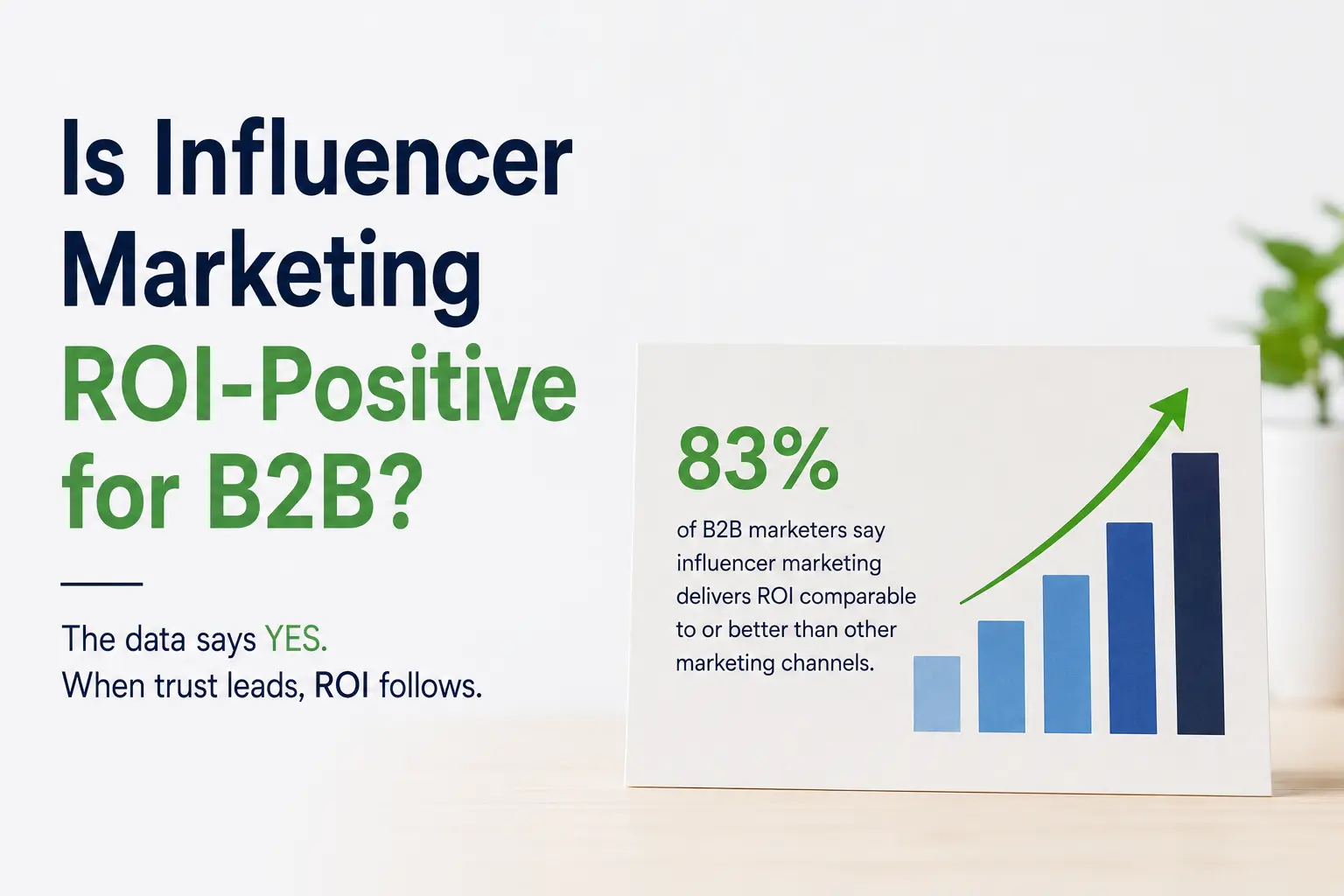
LinkedIn is the clear winner for B2B marketing, recruiting, thought leadership, and professional networking. Decision-makers actively use it to research vendors and partners.
Choose LinkedIn if: You sell B2B products or services, offer consulting, or want to build authority through industry expertise.
TikTok-Best for Brand Awareness Through Short-Form Video
TikTok rewards creativity and authenticity over production value, and its algorithm can put content in front of large new audiences quickly, regardless of follower count.
Choose TikTok if: Your target audience skews younger, your product benefits from demonstration, or you want rapid brand awareness rather than immediate direct-response sales.
Pinterest – Best for Product Discovery and Inspiration
Pinterest functions more like a visual search engine than a social network. It’s especially effective for driving long-term, evergreen traffic to product pages, blog posts, and tutorials.
Choose Pinterest if: You sell physical products, home goods, recipes, DIY content, or anything tied to planning and inspiration.
X (Twitter) -Best for Real-Time Updates and Industry Conversation
X works well for customer service, news-driven industries, and businesses that benefit from real-time engagement and public conversation.
Choose X if: You need to share timely updates, engage in industry discussions, or provide fast public customer support.
YouTube-Best for In-Depth Content and Search Visibility
YouTube doubles as the second-largest search engine, making it valuable for tutorials, reviews, demos, and long-form educational content that keeps generating views over time.
Choose YouTube if: You can produce how-to content, product demonstrations, or educational series that answer common customer questions.
Step 3: Evaluate Your Content Creation Capacity
Platform choice should also reflect what your team can realistically produce and sustain:
| Platform | Content Type Needed | Resource Level |
|---|---|---|
| Mixed media, community posts | Low–Medium | |
| High-quality photos/Reels | Medium–High | |
| Articles, professional updates | Low–Medium | |
| TikTok | Short-form video | Medium |
| Vertical images, infographics | Medium | |
| YouTube | Long-form video | High |
If your team can’t sustainably produce video content, prioritizing YouTube or TikTok first may set you up for inconsistent posting which hurts performance more than not being on the platform at all.
Step 4: Check Where Your Competitors Are Winning (and Losing)
Look at where competitors are active and, more importantly, where their engagement is strongest relative to follower count. A competitor with a large but inactive audience on one platform may signal an opportunity for you to win attention there with better content or a warning sign that the platform doesn’t convert well for your industry.
Step 5: Start Narrow, Then Expand
A common mistake is launching on four or five platforms simultaneously. Instead:
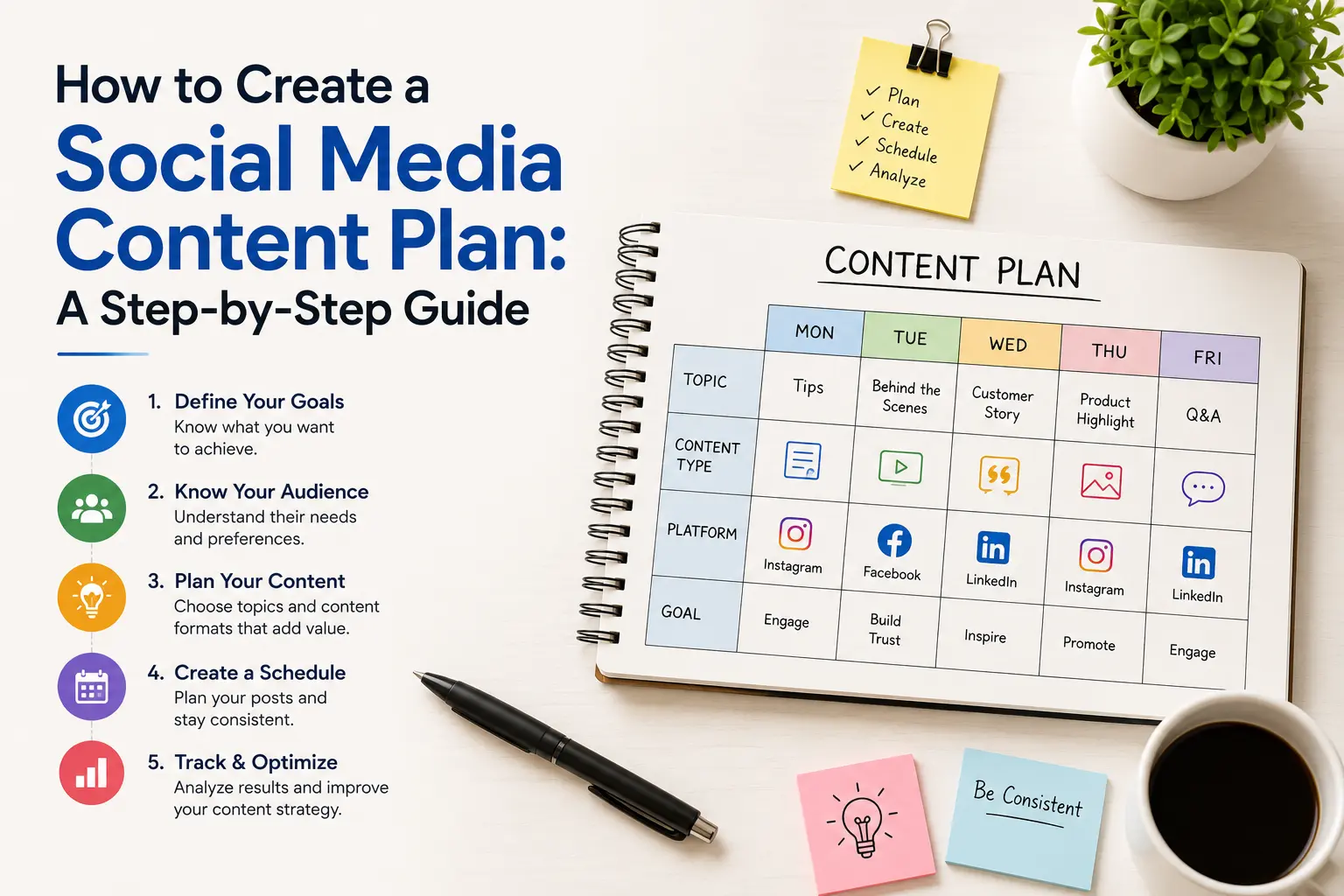
- Choose one primary platform based on the audience and content fit above.
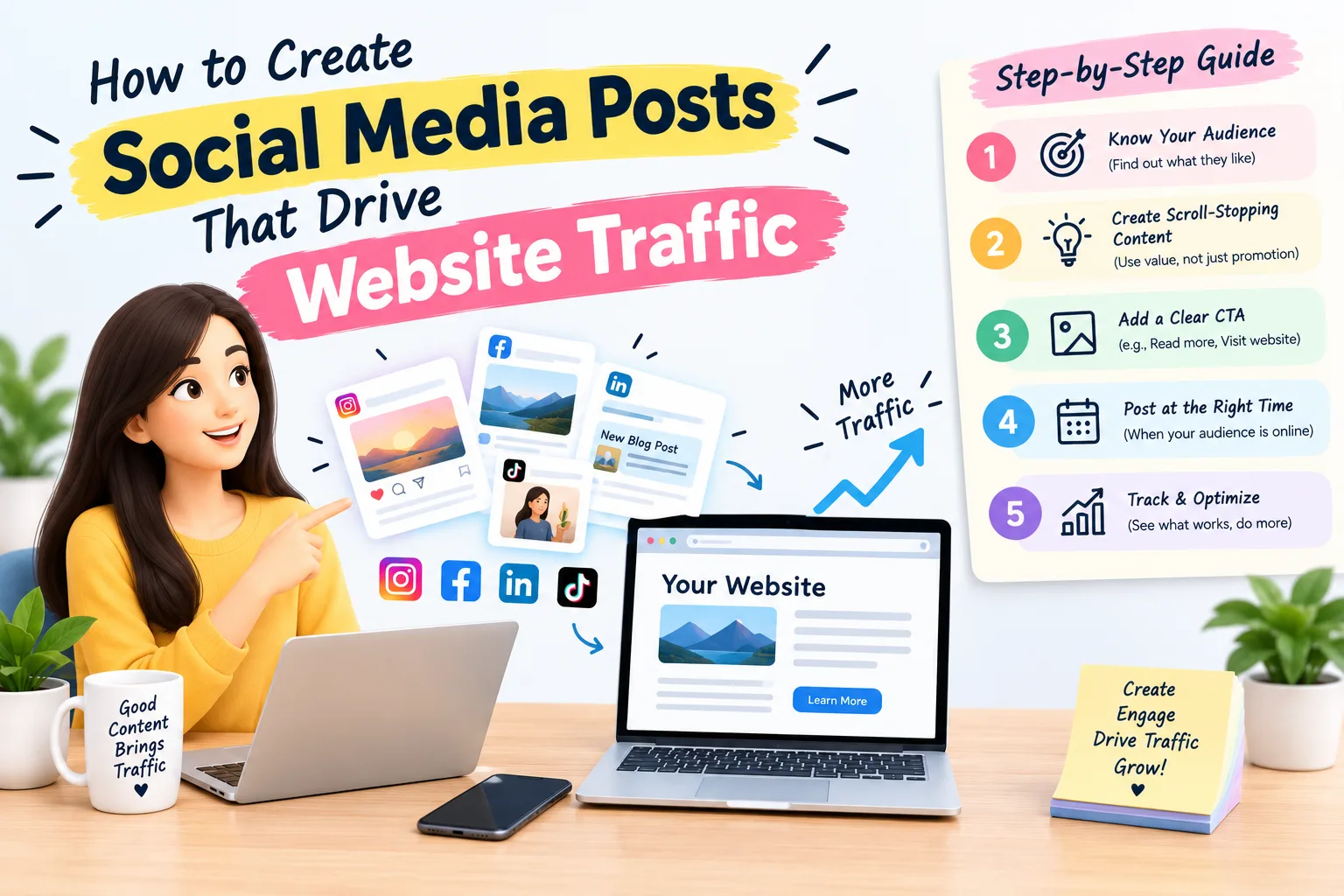
- Post consistently for 60–90 days and track engagement, follower growth, and website traffic.
- Once that channel is stable, add a second platform that complements it (for example, Instagram + Pinterest, or LinkedIn + X).
- Reassess quarterly based on performance data, not assumptions.
Quick Decision Framework
Ask yourself these four questions:
- Where does my target audience already spend time?
- What content format can my team consistently produce?
- Does this platform support my primary business goal (awareness, leads, sales, or community)?
- What does the data say after a focused 60–90 day test?
If you can answer these clearly, you’ve effectively answered how to choose the right social media platform for your business.
Final Thoughts
There’s no single “best” platform only the platform that’s best for your specific audience, content strengths, and business goals. Rather than trying to be everywhere, focus your energy on one or two platforms where your ideal customers are most active and engaged. Test, measure, and refine consistent presence on the right platform will always outperform scattered effort across many.