The Complete Digital Marketing Strategy for Independent Cafés 2026
Introduction
Running an independent café in 2026 means competing with chains that have bigger budgets, national brand recognition, and dedicated marketing teams. But independent cafés have something those chains don’t: personality, community roots, and the flexibility to build genuine relationships with customers online.
A strong digital marketing strategy for cafés isn’t about doing everything it’s about doing the right things consistently. This guide breaks down a complete, actionable strategy covering local SEO, Google Business Profile optimization, social media, email marketing, paid ads, and reputation management, so you can turn online visibility into real foot traffic and repeat customers.
1. Build Your Foundation: Local SEO for Cafés
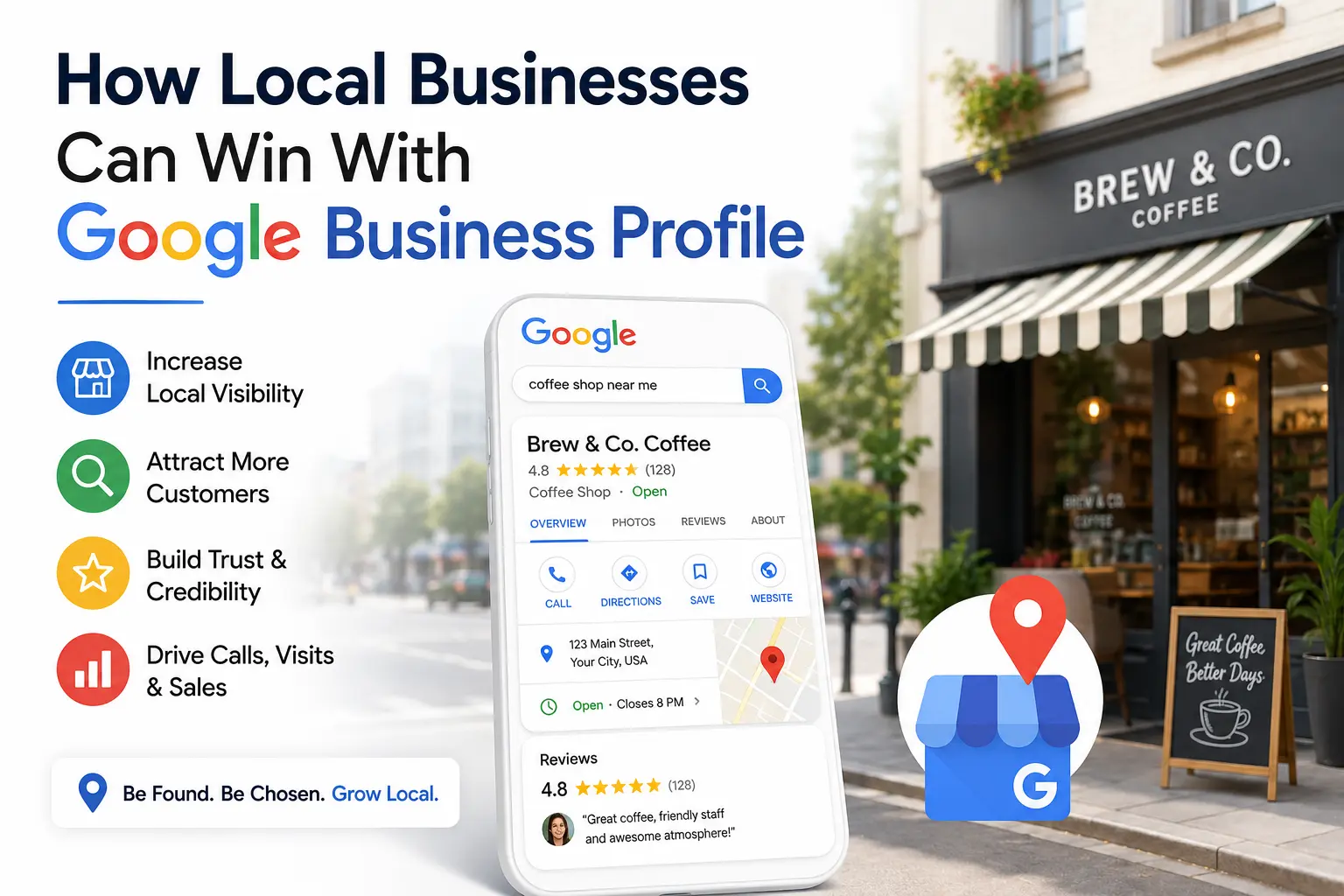
Most café searches happen with local intent “coffee shop near me,” “best café in [city],” “café with wifi near me.” If your café isn’t optimized for local search, you’re invisible to the customers actively looking for you right now.
Key local SEO actions:
- Claim and verify your Google Business Profile with accurate name, address, phone number (NAP), and hours.
- Choose precise categories (e.g., “Coffee Shop,” “Café,” “Espresso Bar”) rather than a generic “Restaurant” label.
- Add high-quality photos of your interior, menu items, and baristas profiles with photos get significantly more engagement and direction requests.
- Use local keywords on your website city and neighborhood names paired with “café” or “coffee shop.”
- Build local citations ensure your business is listed consistently on Yelp, TripAdvisor, and local directories.
- Earn local backlinks partner with local bloggers, event pages, and community organizations for mentions and links.
2. Optimize Your Google Business Profile Like a Growth Channel
Your Google Business Profile (GBP) is often the first and sometimes only impression a potential customer gets. Treat it as a living marketing asset, not a one-time setup.
Ongoing GBP optimization tactics:
- Post weekly updates (new menu items, events, seasonal drinks) using the “Posts” feature.
- Respond to every review, positive or negative, within 48 hours.
- Use the Q&A section proactively — answer common questions before customers have to ask.
- Add attributes like “outdoor seating,” “free wifi,” or “vegan options” to match what people actually search for.
- Track Insights data monthly to see which searches and photos drive the most engagement.
3. Social Media Strategy: Beyond Pretty Latte Art
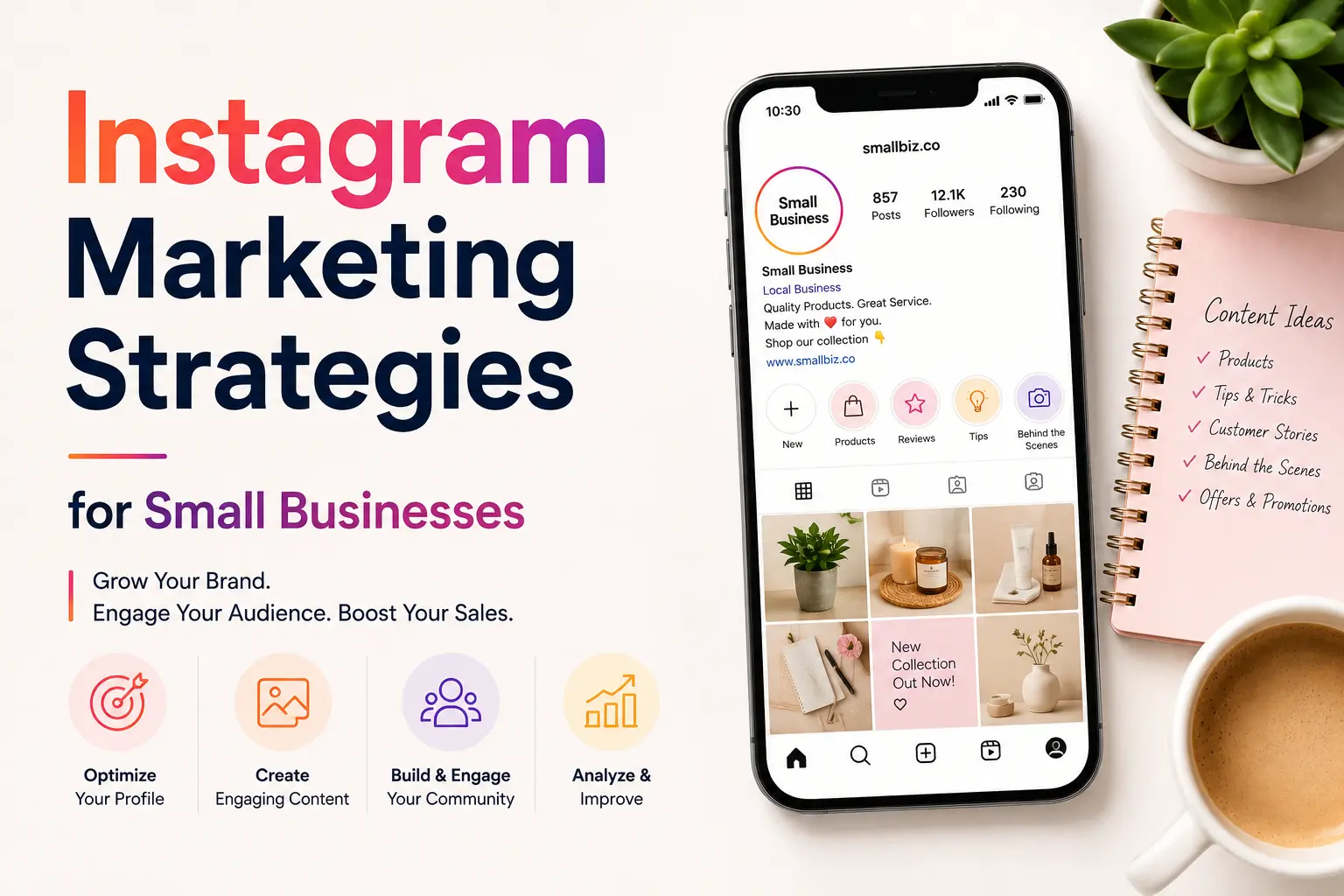
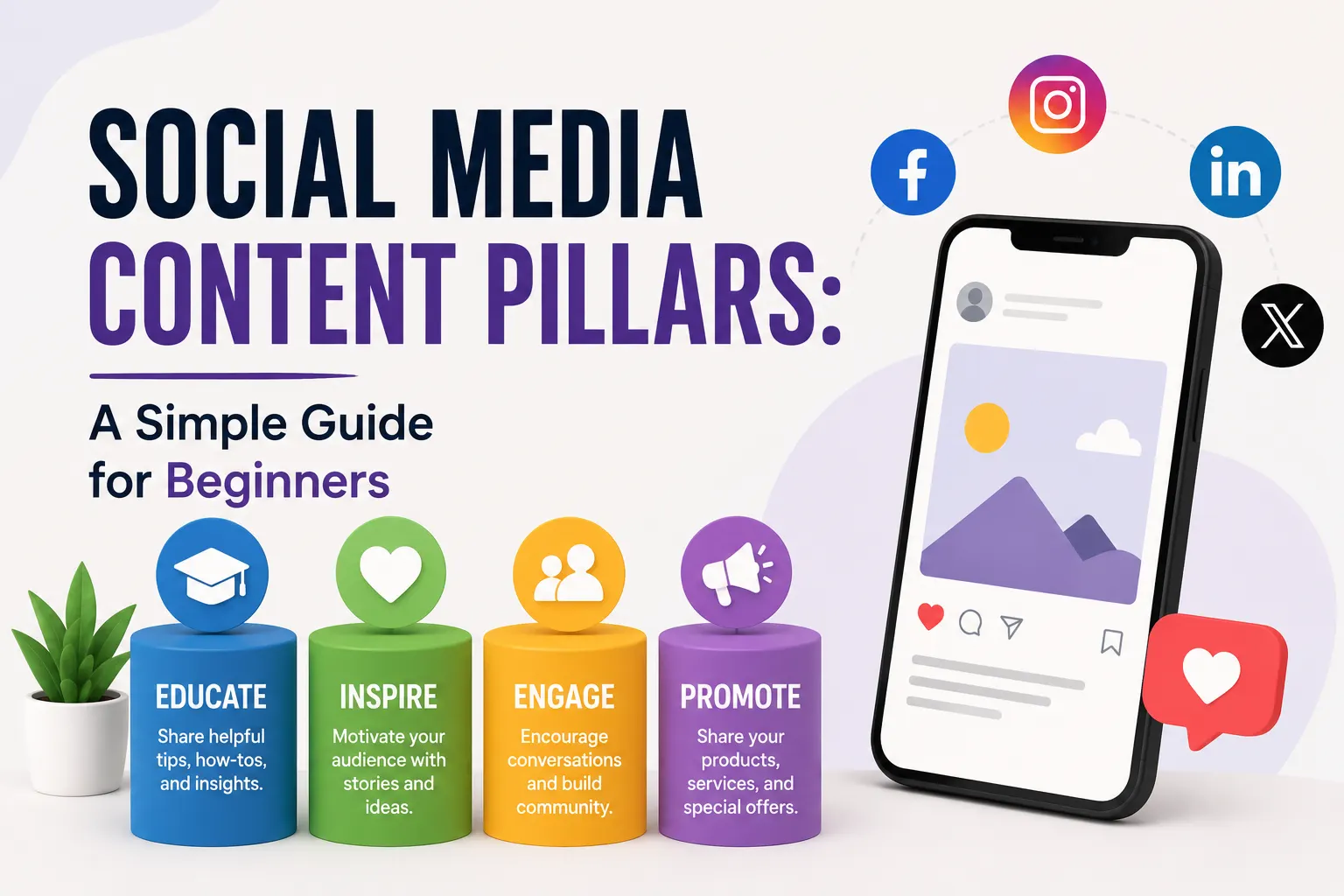
Social media for cafés works best when it builds community, not just aesthetics. Instagram and TikTok remain the top platforms for food and beverage brands, but the strategy matters more than the platform.
What to focus on:
- Behind-the-scenes content – roasting process, staff stories, prep routines. This builds trust and personality.
- User-generated content (UGC) – repost customer photos and tag them; it’s authentic, free content and builds loyalty.
- Short-form video – quick recipe demos, “day in the life of a barista,” or seasonal drink reveals perform well on Reels and TikTok.
- Local hashtags and geotags – helps surface your content to nearby users, not just existing followers.
- Consistent posting cadence -3–5 posts a week is more sustainable and effective than sporadic bursts.
4. Email Marketing: Your Highest-ROI Retention Channel
Social media reach fluctuates with algorithms, but email goes straight to your customer. For cafés, email is underused but highly effective for loyalty and repeat visits.
Build an email strategy around:
- A simple signup incentive – a free pastry or discount for joining your list at checkout or via QR code.
- A monthly newsletter – new menu items, events, and community stories keep your café top of mind.
- Loyalty program updates – points, rewards, and birthday offers drive repeat visits.
- Segmented campaigns – send different messages to regulars vs. first-time visitors for higher relevance.
5. Reputation Management: Turning Reviews Into Marketing Assets
Online reviews directly influence both search rankings and customer decisions. A structured reputation management process should be part of any serious digital marketing strategy for cafés.
Reputation management essentials:
- Ask satisfied customers for reviews at the point of sale or via a follow-up text/email.
- Respond professionally and promptly to negative reviews how you handle criticism is public marketing too.
- Highlight strong reviews in social media posts or on your website as social proof.
- Monitor review platforms weekly (Google, Yelp, Facebook) to catch issues early.
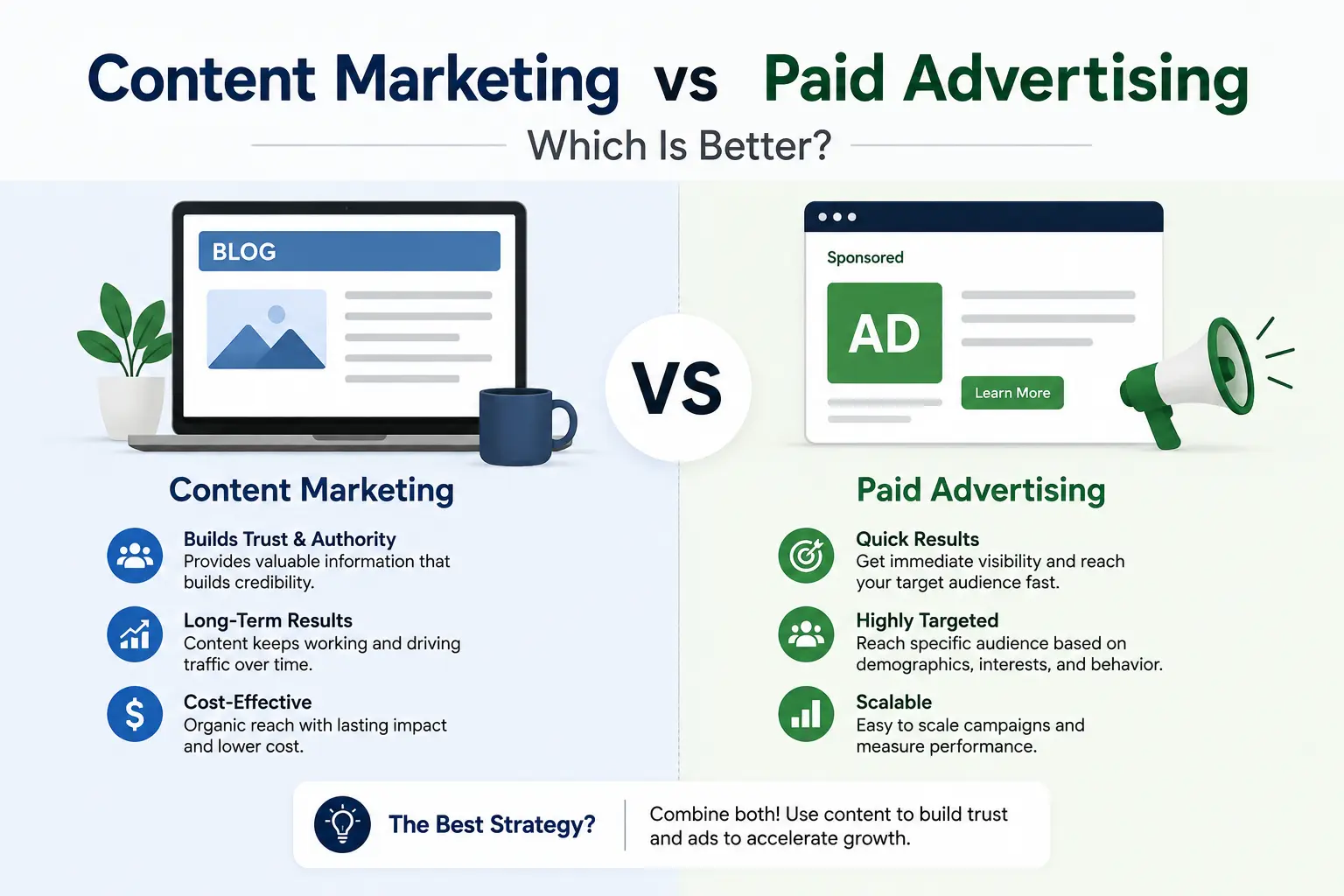
6. Paid Advertising: Small Budget, Targeted Reach
Independent cafés don’t need large ad budgets they need precise targeting.
Effective low-budget paid strategies:
- Geo-targeted Google Ads for high-intent searches like “coffee shop near me.”
- Instagram/Facebook local awareness ads targeting users within a 2–5 mile radius.
- Boosted posts for high-performing organic content rather than building ads from scratch.
- Retargeting ads for website visitors who viewed your menu but haven’t visited yet.
7. Website & Content Marketing
Your website should function as a conversion tool, not just a digital brochure.
Website priorities:
- Fast-loading, mobile-optimized design (most café searches happen on mobile).
- Clear, up-to-date menu with prices and photos.
- Online ordering integration if applicable.
- A blog covering topics like brewing tips, local events, or sustainability practices this supports SEO and builds authority over time.
Putting It All Together: A Sample Monthly Workflow
| Week | Focus Area | Key Actions |
|---|---|---|
| Week 1 | Local SEO & GBP | Update photos, respond to reviews, post GBP update |
| Week 2 | Social Media | Publish 3–5 posts, engage with UGC |
| Week 3 | Email Marketing | Send monthly newsletter, segment loyalty list |
| Week 4 | Reputation & Ads | Review analytics, adjust ad targeting, request new reviews |
Conclusion
A complete digital marketing strategy for cafés doesn’t require a massive budget or a full marketing team — it requires consistency across the channels that matter most: local SEO, Google Business Profile, social media, email, reputation management, and targeted ads. Independent cafés that treat digital marketing as an ongoing system rather than a one-time project are the ones that consistently turn online visibility into loyal, repeat customers in 2026 and beyond.