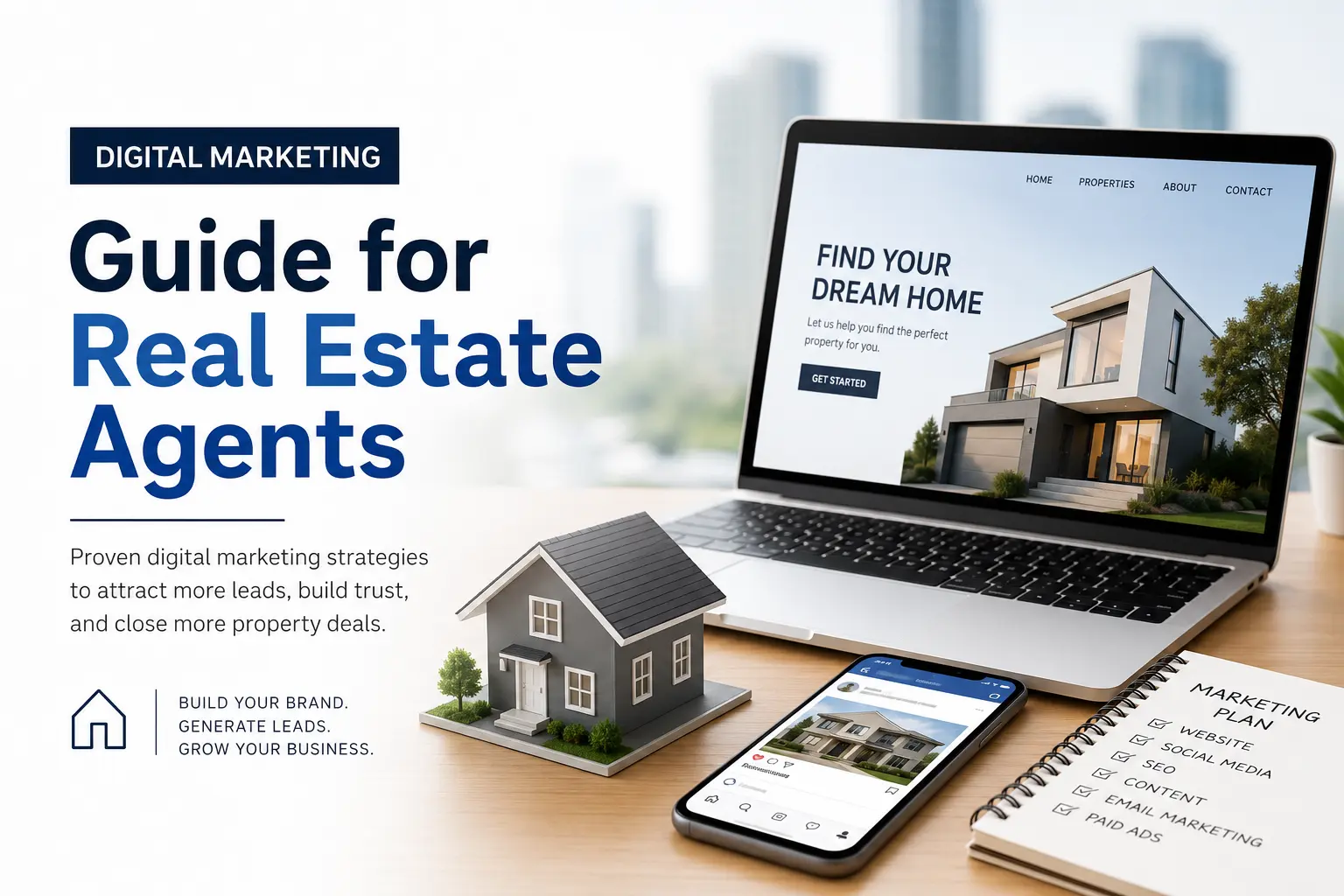
A Complete Digital Marketing Guide for Real Estate Agents
Real estate is a relationship business but today, those relationships almost always start online. Before a buyer ever calls you, they’ve searched your name, scrolled your Instagram, and checked your reviews. If your digital presence isn’t working for you, you’re losing deals to agents who show up first.
This guide breaks down exactly how to build a digital marketing strategy for real estate agents that generates consistent, qualified leads without wasting your budget on tactics that don’t convert.
Why Digital Marketing Matters for Real Estate Agents
Nearly every home search now begins online, long before a buyer contacts an agent. That means your website, listings, and social profiles are often your first (and sometimes only) chance to make an impression. Agents who invest in digital marketing aren’t just generating leads they’re building trust before the first conversation even happens.
1. Build a High-Converting Real Estate Website
Your website is your digital storefront. It needs to do three things: load fast, look credible, and make it easy to take action.
Must-haves:
- Mobile-first, fast-loading design (page speed directly affects both rankings and conversions)
- IDX/MLS integration for live listings
- Clear calls-to-action (“Book a Free Consultation,” “Get a Home Valuation”)
- Lead capture forms and chat widgets
- Client testimonials and case studies
A website without a lead capture strategy is just an online brochure it needs to actively convert visitors into leads.
2. Local SEO: Get Found by Buyers and Sellers Near You
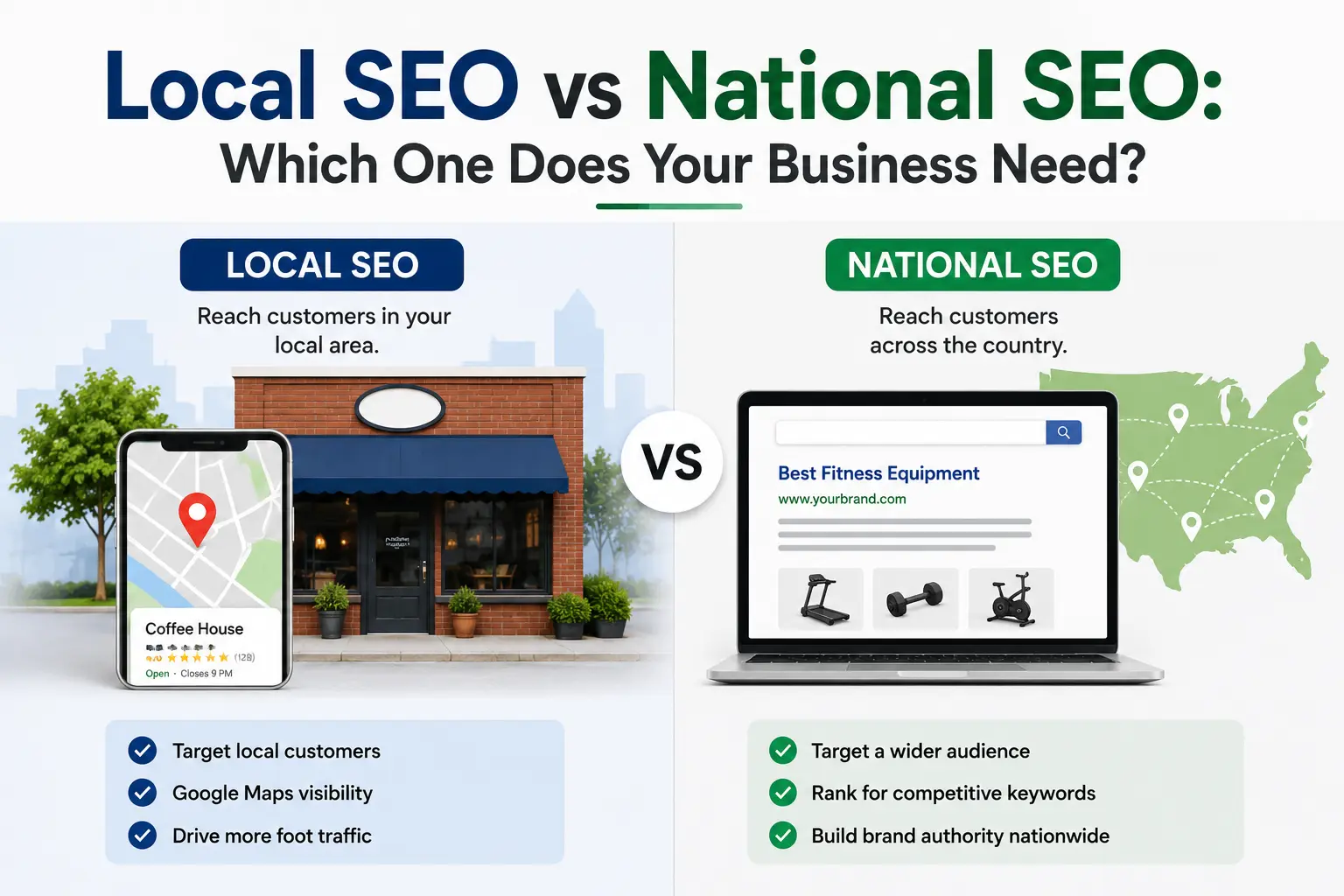
Most real estate searches are hyperlocal “homes for sale in [neighborhood],” “best realtor near me.” Ranking here is one of the highest-ROI things you can do.
Local SEO checklist:
- Optimize your Google Business Profile with accurate NAP (Name, Address, Phone), service areas, and photos
- Get listed in real estate directories (Zillow, Realtor.com, Yelp)
- Collect and respond to Google reviews consistently
- Create location-specific landing pages (e.g., “Homes for Sale in [Neighborhood]”)
- Publish neighborhood guides and local market reports
3. Content Marketing That Builds Authority
Buyers and sellers research extensively before reaching out. Content marketing positions you as the local expert they trust.
High-performing content types:
- Monthly local market reports
- Neighborhood guides (“Best Areas for Families in [City]”)
- Buyer/seller checklists and guides
- FAQ content answering real search queries (“How much does it cost to sell a house in [City]?”)
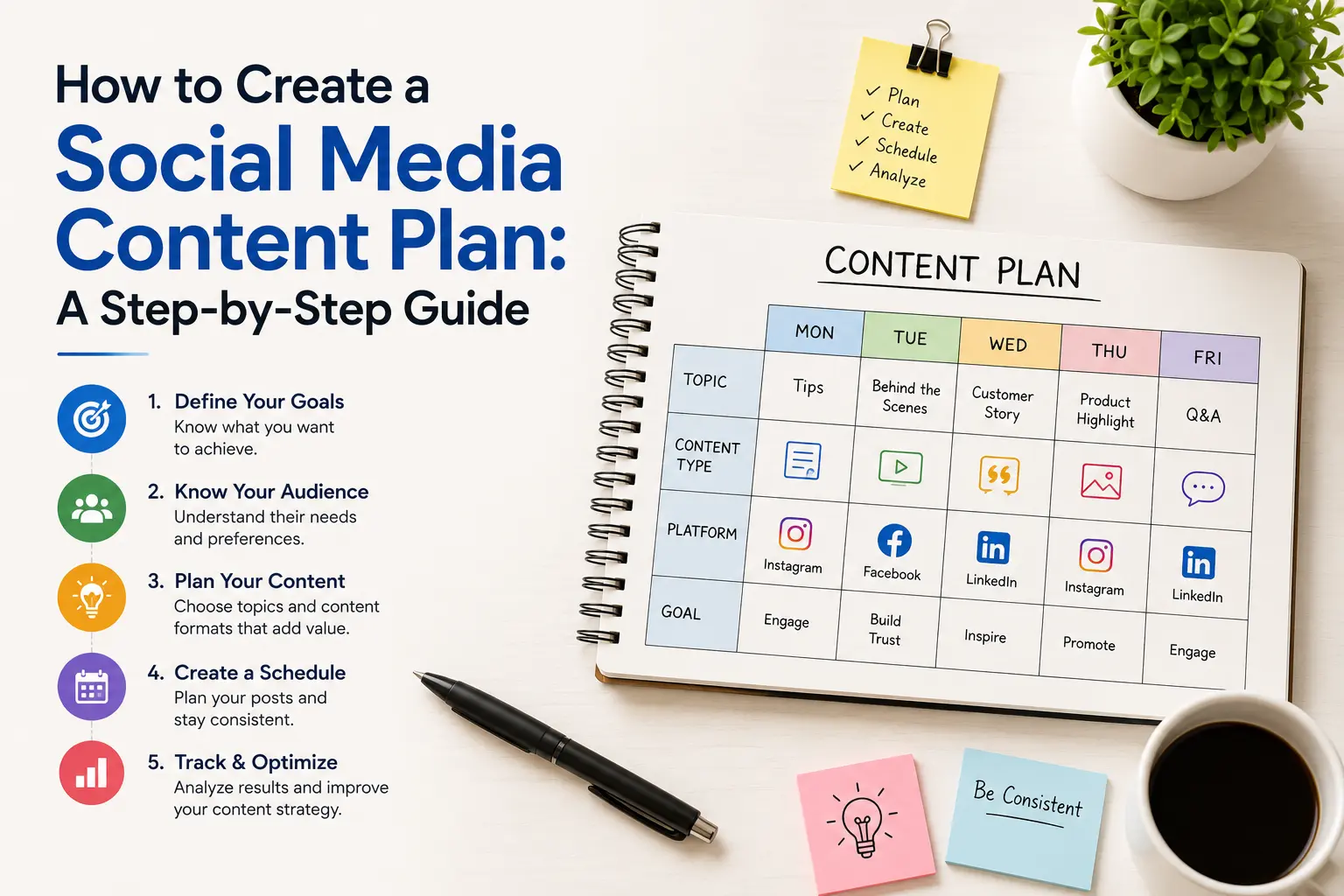
Consistent content also feeds your SEO strategy — every blog post is a new opportunity to rank.
4. Social Media Marketing for Real Estate
Social platforms aren’t just for listings they’re for building your personal brand.
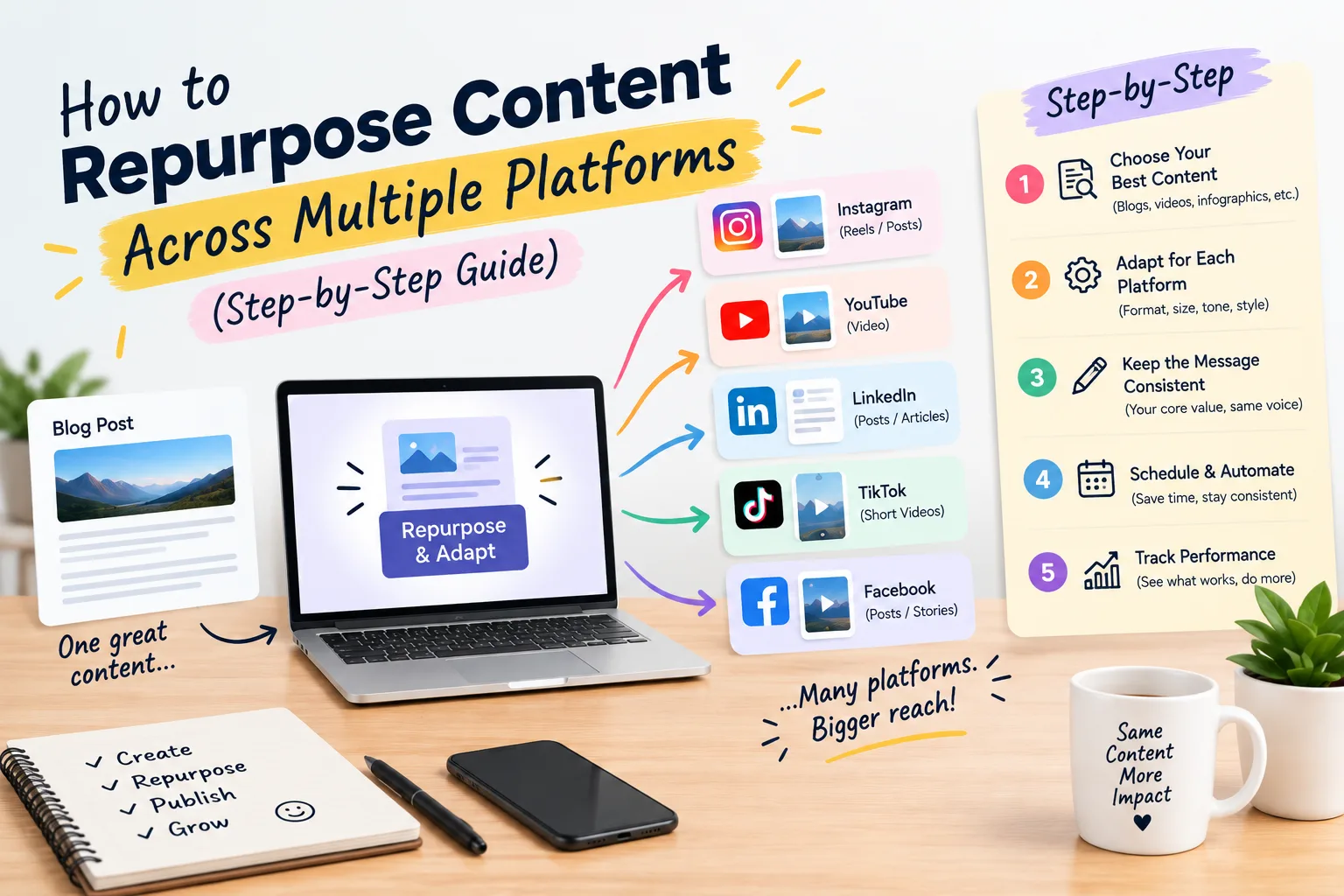
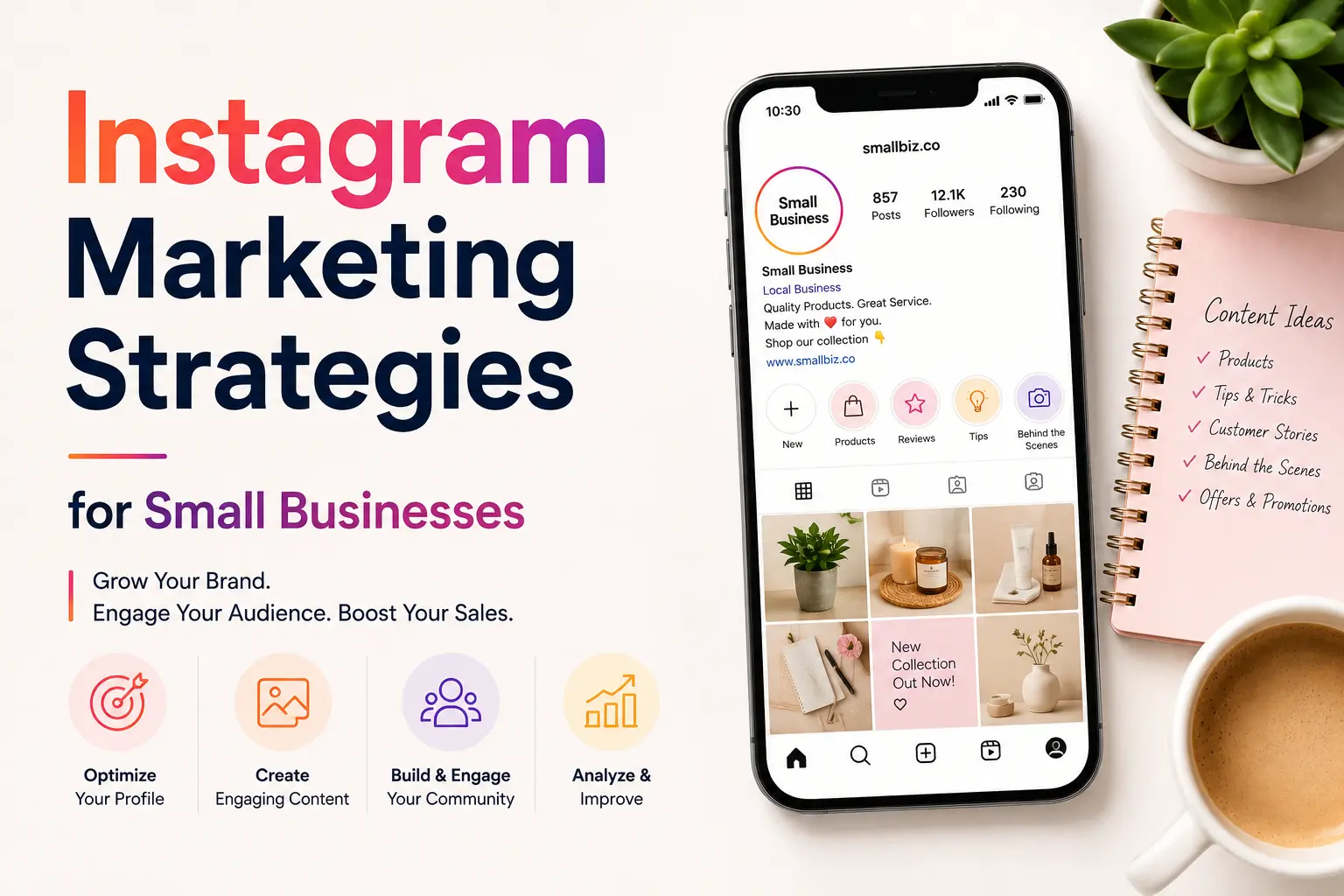
- Instagram/Facebook: Property showcases, reels, behind-the-scenes content, client success stories
- YouTube: Property walkthroughs, neighborhood tours, market update videos
- LinkedIn: Great for connecting with investors, developers, and referral partners
Video consistently outperforms static posts in reach and engagement, especially for property tours and market updates.
5. Paid Advertising (PPC & Social Ads)
Organic growth takes time paid ads accelerate results while your SEO and content build momentum.
- Google Ads: Target high-intent keywords like “sell my house fast in [city]”
- Facebook/Instagram Ads: Great for retargeting website visitors and promoting listings visually
- Retargeting campaigns: Bring back visitors who viewed listings but didn’t convert
Start with a modest, trackable budget and scale what’s proven to convert.
6. Email Marketing & Lead Nurturing
Not every lead is ready to buy or sell today. Email keeps you top-of-mind until they are.
- Segment leads (buyers, sellers, past clients, investors)
- Send automated drip campaigns based on lead behavior
- Share market updates, new listings, and helpful guides
- Personalize outreach based on where they are in the buying/selling journey
7. Online Reputation Management
Reviews influence buyer and seller decisions as much as referrals do.
- Ask for reviews after every closing
- Respond professionally to all reviews, positive and negative
- Showcase testimonials on your website and social channels
8. Track What Actually Matters
Vanity metrics (likes, followers) don’t pay commissions. Focus on:
- Cost per lead by channel
- Lead-to-appointment conversion rate
- Website traffic sources
- Email open and click-through rates
Use tools like Google Analytics and your CRM to tie marketing activity directly to closed deals.
Final Thoughts
A complete digital marketing strategy for real estate agents isn’t about doing everything at once it’s about building a system: a website that converts, local SEO that gets you found, content that builds trust, and paid ads that fill the gaps while you grow organically. Start with one or two channels, measure results, and scale what works.